All articles
"Education is not preparation for life; education is life itself." — John Dewey
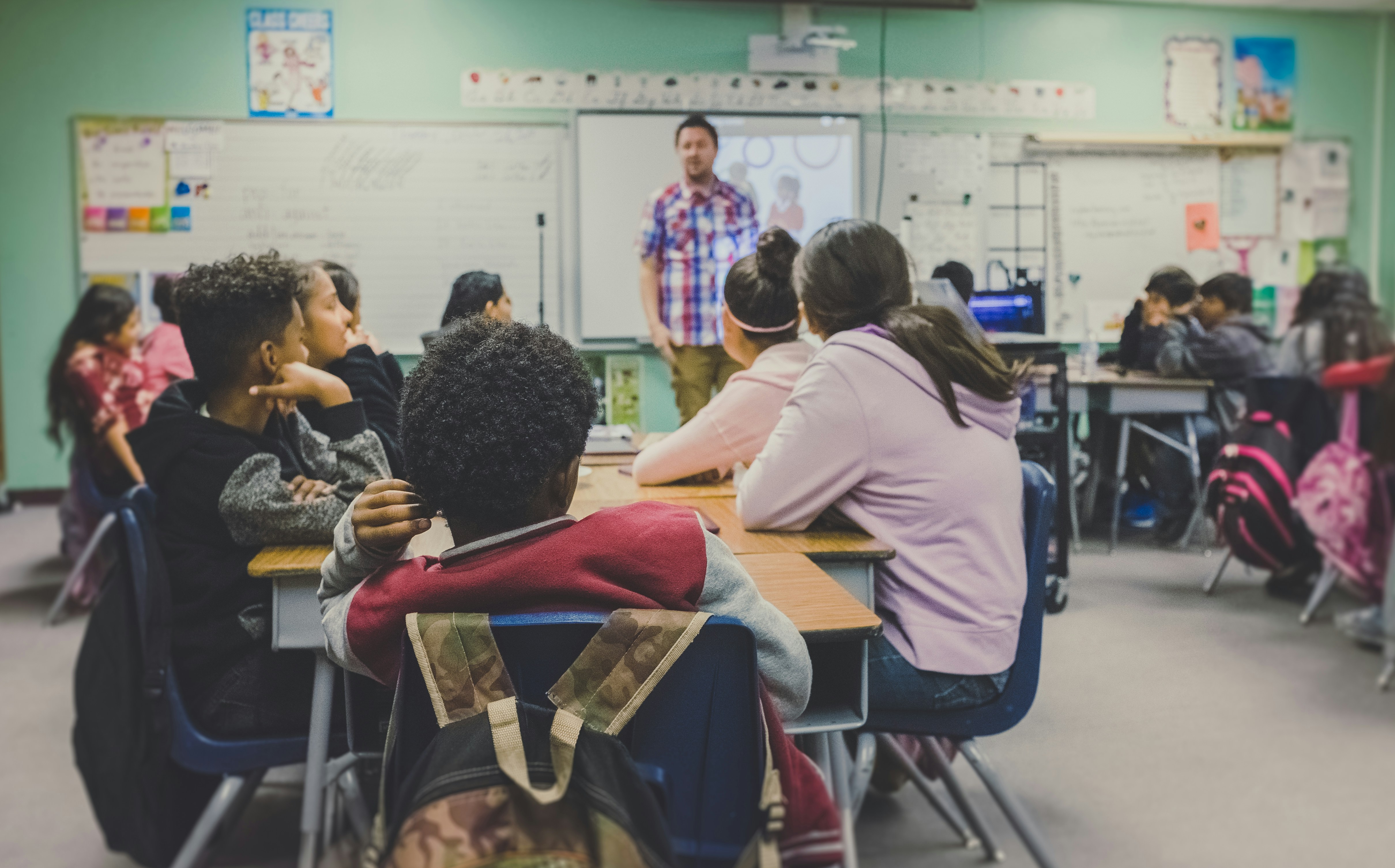
For generations, classrooms have been the foundation of learning. They teach mathematics, science, languages, history, and countless other subjects that help children understand the world.
But today's world is changing faster than any curriculum can.
Artificial Intelligence can solve equations, translate languages, generate essays, write software, and answer questions within seconds. Information is no longer scarce—it is abundant.
This raises an important question:
If machines are becoming better at storing and retrieving knowledge, what should children become better at?
The answer lies beyond the classroom.
Not beyond schools, but beyond traditional measures of academic success.
The future belongs to children who can think, adapt, create, collaborate and lead.
Why Academic Excellence Is No Longer Enough?
Good grades are valuable. They demonstrate discipline, understanding and consistent effort. However, life rarely presents problems exactly the way they appear in examinations. There is no textbook chapter titled "Resolving a disagreement with your team."
No multiple-choice question asks how to recover after failure. No report card measures imagination. Many of the abilities that shape successful adults develop through experiences, conversations, exploration and reflection rather than memorisation alone.
1. Critical Thinking
The internet provides answers. Critical thinking helps children decide whether those answers are correct. Children who question assumptions, compare perspectives and evaluate evidence become independent thinkers rather than passive consumers of information.
Encourage questions that begin with:
"How do we know?"
"Could there be another explanation?"
"What evidence supports this?"
2. Creativity
Creativity isn't limited to artists.
- Engineers design solutions.
- Scientists develop hypotheses.
- Entrepreneurs create businesses.
- Doctors innovate treatments.
Creativity is the ability to connect ideas in new ways. Every profession increasingly depends on it.
3. Curiosity
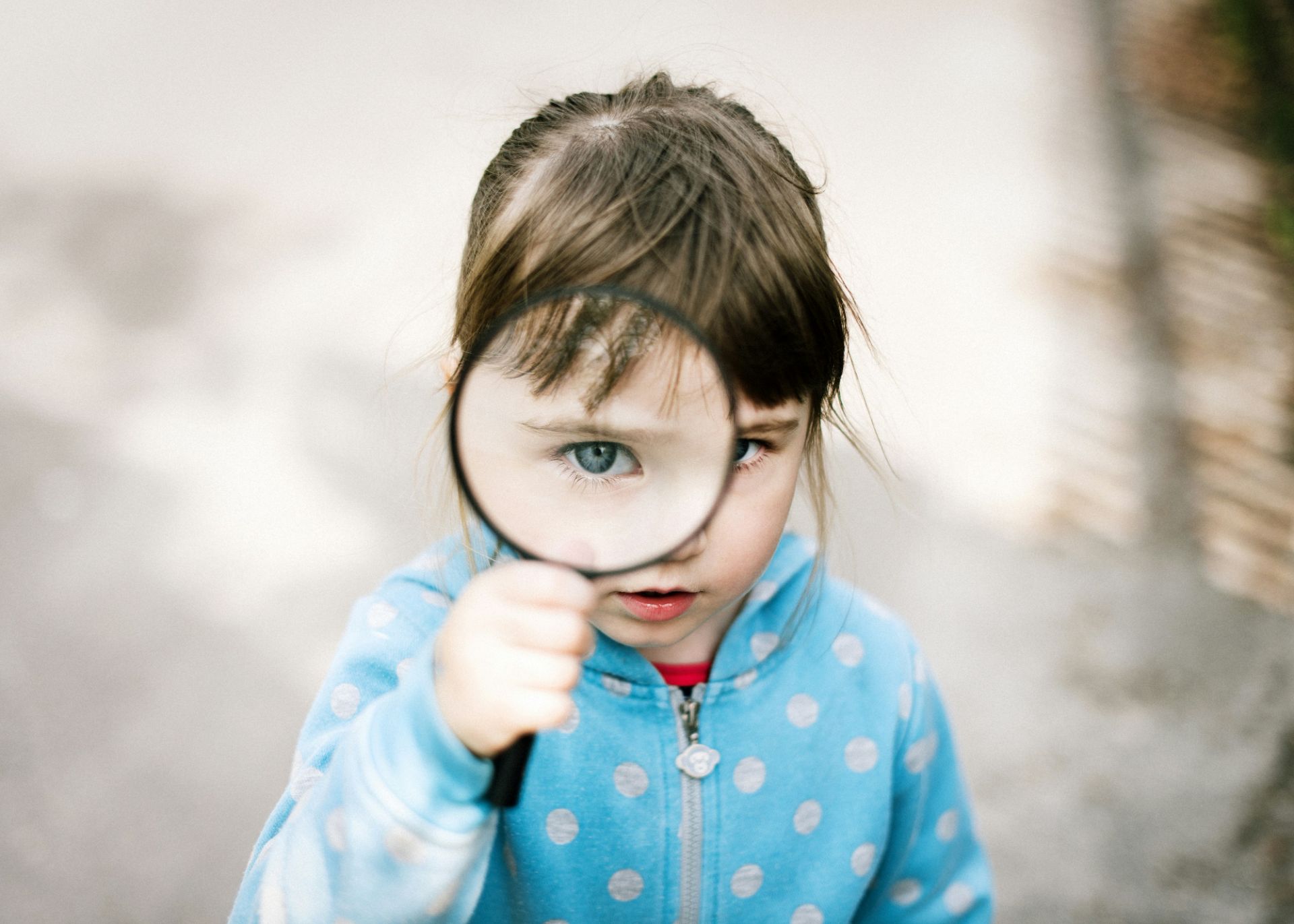
Children are naturally curious. Anyone who has spent time with a four-year-old knows the endless stream of "Why?"
Curiosity drives learning long before formal education begins. The challenge isn't teaching curiosity. It's protecting it. The most successful learners never stop asking questions.
4. Problem Solving
Real-world problems don't arrive neatly organised. They require observation, experimentation and persistence. Instead of giving children answers immediately, invite them to explore possibilities.
"What would you try first?"
"What happens if that doesn't work?"
Problem solving grows through experience, not instruction alone.
5. Emotional Intelligence
Understanding emotions is just as important as understanding equations. Children who recognise their own emotions are better equipped to manage stress, communicate effectively and build healthy relationships. Empathy is becoming one of the most valuable human skills precisely because machines cannot genuinely experience it.
6. Communication
Ideas change the world only when they can be shared.
Whether speaking, writing or listening, communication builds confidence and strengthens collaboration.
Encourage children to explain not only what they think, but why they think it.
7. Adaptability
Many children entering primary school today may eventually work in careers that don't yet exist.
Rather than preparing children for one profession, we should prepare them for continuous learning.
Adaptability means embracing change rather than fearing it.
8. Collaboration
The world's greatest achievements are rarely individual efforts.
Scientific discoveries, technological breakthroughs and humanitarian initiatives are built by teams.
Children who learn to listen, negotiate and respect different viewpoints develop skills that extend far beyond school.
9. Ethical Decision Making
Artificial Intelligence is becoming increasingly powerful.
The next generation won't simply use technology—they'll shape it.
That makes ethics more important than ever.
Children should learn not only how to solve problems but also which problems are worth solving.
Knowledge without wisdom has always been dangerous.
10. Self-Awareness
Perhaps the most overlooked skill of all is understanding oneself.
Every child learns differently.
- Some think visually.
- Some verbally.
- Some through movement.
- Some through patterns.
- Some thrive independently.
- Others flourish in groups.
Helping children recognise how they naturally learn builds confidence and supports lifelong growth.
The goal isn't comparison. It's discovery.
Learning Doesn't End When School Ends
Some of life's greatest lessons happen:
- During family conversations.
- Through creative hobbies.
- While exploring nature.
- During sports.
- Through music.
- While solving everyday challenges.
- By asking unexpected questions.
Learning is not confined to a classroom. It happens wherever curiosity is encouraged.
A New Definition of Success
For decades, success has often been associated with marks, ranks and examinations.
These remain important.
But they no longer tell the complete story.
The children who will thrive in the coming decades are likely to be those who can:
- Think independently.
- Solve unfamiliar problems.
- Adapt to change.
- Collaborate with others.
- Create original ideas.
- Communicate with empathy.
- Continue learning throughout life.
These aren't "extra" skills. They are becoming the foundation of future success.
Looking Beyond the Report Card
Every child has unique strengths waiting to be discovered. Some reveal themselves in classrooms. Others emerge through conversation, creativity, exploration and experience. As parents and educators, our responsibility isn't simply to help children score well. It's to help them understand themselves, develop confidence in their abilities and become thoughtful, compassionate and curious human beings.
Because education isn't only about preparing children for the next examination. It's about preparing them for the rest of their lives. And that journey extends far beyond the classroom.